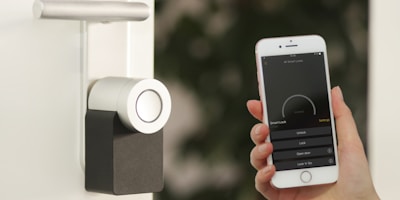
The wireless vs wired debate in home security is not as straightforward as most articles make it sound. Wireless systems are easier to install and more flexible, but wired systems are more reliable and harder to defeat. The right choice depends on your home, your technical comfort level, and which vulnerabilities concern you most.
We tested both types extensively, stress-testing wireless systems for signal reliability and interference susceptibility while evaluating wired systems for installation complexity and long-term maintenance. Here is an honest comparison of both approaches with clear recommendations for different situations.
How Wireless Systems Work
Wireless security systems use radio frequency signals — typically operating on 433 MHz, 900 MHz, or WiFi frequencies — to communicate between sensors, cameras, and the base station. The base station then connects to the monitoring center via WiFi, cellular, or both. Sensors run on batteries that typically last two to five years depending on the sensor type and activity level.
Modern wireless systems from companies like SimpliSafe, Ring, and Abode use encrypted radio protocols that are significantly more secure than the unencrypted systems of a decade ago. Installation requires no wiring — sensors attach with adhesive, cameras connect via WiFi, and the entire system can be set up in under an hour without touching a screwdriver.
How Wired Systems Work
Wired security systems run physical cables from each sensor and camera back to a central control panel. Door and window sensors connect via low-voltage wire (typically 22-gauge), and cameras use coaxial cable (for analog) or Ethernet cable (for IP cameras with Power over Ethernet). The control panel connects to the monitoring center via a dedicated phone line or network connection.
Installation is significantly more involved. Running wires through walls, attics, and basements requires drilling, fishing wire through cavities, and often patching drywall afterward. Professional installation for a full wired system typically takes four to eight hours and costs $200 to $500 for labor alone. This is why wired systems are usually installed during construction or major renovation rather than retrofitted into existing homes.
Reliability: Wired Wins, But the Gap Is Shrinking
Wired systems are inherently more reliable because physical connections do not suffer from signal interference, range limitations, or battery depletion. A wired sensor either works or it does not — there is no gray area of weak signals or intermittent connectivity. This is why banks, commercial buildings, and high-security facilities still use wired systems almost exclusively.
Wireless systems have improved dramatically, but they are still susceptible to issues that wired systems simply do not have. WiFi congestion from neighboring networks can cause delays in camera streams. Thick walls, metal framing, and long distances between sensors and the base station can weaken radio signals. Battery-powered sensors eventually need new batteries, and if you forget to replace them, you have an unprotected entry point.
That said, the practical reliability difference for a typical home is small. Modern wireless systems from reputable brands maintain connections well in homes under 3,000 square feet with standard construction. The real reliability concern is not day-to-day performance but what happens during edge cases like power outages, internet failures, and deliberate attacks.
Vulnerability to Attack: The Jamming Question
The most frequently cited vulnerability of wireless systems is signal jamming. In theory, a criminal with a software-defined radio can broadcast interference on the frequencies your sensors use, preventing them from communicating with the base station. An alarm that cannot communicate is an alarm that cannot protect you.
In practice, jamming attacks against home security systems are extremely rare. They require specialized equipment, technical knowledge, and proximity to the target. Most burglaries are crimes of opportunity, not sophisticated operations. FBI data shows that the vast majority of residential break-ins involve kicking in a door or breaking a window, not electronic countermeasures.
That said, if you live in a high-crime area or have specific threat concerns, this vulnerability is real. SimpliSafe and some other wireless systems now include jamming detection that alerts you if interference is detected on their communication frequencies. This does not prevent jamming, but it tells you something suspicious is happening.
Wired systems are immune to wireless jamming but have their own physical vulnerability: wire cutting. An intruder who knows where the cables run can cut them before entry. However, most wired systems use supervised circuits that detect when a wire is severed and trigger an alarm immediately. The monitoring center receives the alert even if the intruder cuts the phone line, because modern wired panels use cellular backup for monitoring communication.
Power Outage Performance
Both system types handle power outages, but differently. Wired systems typically include a rechargeable backup battery in the control panel that keeps the system running for 4 to 24 hours depending on the battery size and how many devices are drawing power. Since wired sensors are powered by the panel, the entire system stays operational during an outage.
Wireless systems have an advantage here because each sensor has its own battery. The base station needs a backup battery or UPS, but the sensors continue operating independently regardless of the power situation. SimpliSafe's base station has a 24-hour backup battery. Ring Alarm Pro has about 24 hours of backup as well. The sensors themselves last years on their own batteries and are unaffected by household power outages.
Cameras are the weak link in both systems during power outages. Wired PoE cameras lose power when the network switch loses power, unless you have a UPS on your network equipment. Wireless cameras with built-in batteries continue recording for a few hours but eventually die. If continuous camera coverage during power outages matters to you, invest in a UPS for your network equipment regardless of which system type you choose.
Cost Comparison
Wireless systems are dramatically cheaper to install, especially in existing homes. A complete DIY wireless system costs $150 to $400 for equipment with no installation labor. A comparable wired system costs $500 to $1,500 for equipment plus $200 to $500 for professional installation. The cost gap narrows for new construction, where running wires during the build adds only marginal cost.
Long-term costs are similar. Both system types have comparable monitoring fees. Wireless systems have minor ongoing battery costs ($10 to $20 per year across all sensors). Wired systems have virtually zero maintenance costs once installed but are expensive to modify or expand — adding a single wired sensor to an existing system can cost $100 or more in labor.
Which Should You Choose?
Choose wireless if: you rent your home, want easy DIY installation, plan to move within a few years, need to add sensors over time, or have a home under 3,000 square feet with standard construction. Wireless is the right choice for the vast majority of homeowners and renters in 2026.
Choose wired if: you are building a new home or doing a major renovation, want maximum reliability and tamper resistance, have a large or complex property, or have specific high-security needs. Wired systems are also better for homes with thick stone or concrete walls that block radio signals.
Consider hybrid: Some systems like Honeywell's VISTA series support both wired and wireless sensors on the same panel. This lets you wire the critical entry points (front door, back door) for maximum reliability while using wireless sensors for secondary windows and interior motion detection. It is the best of both worlds but requires professional installation.